How to Get Rid of Split Ends and Dead Hair: A Complete Hair Care Guide
Best Hair Treatments
August 31, 2026
admln
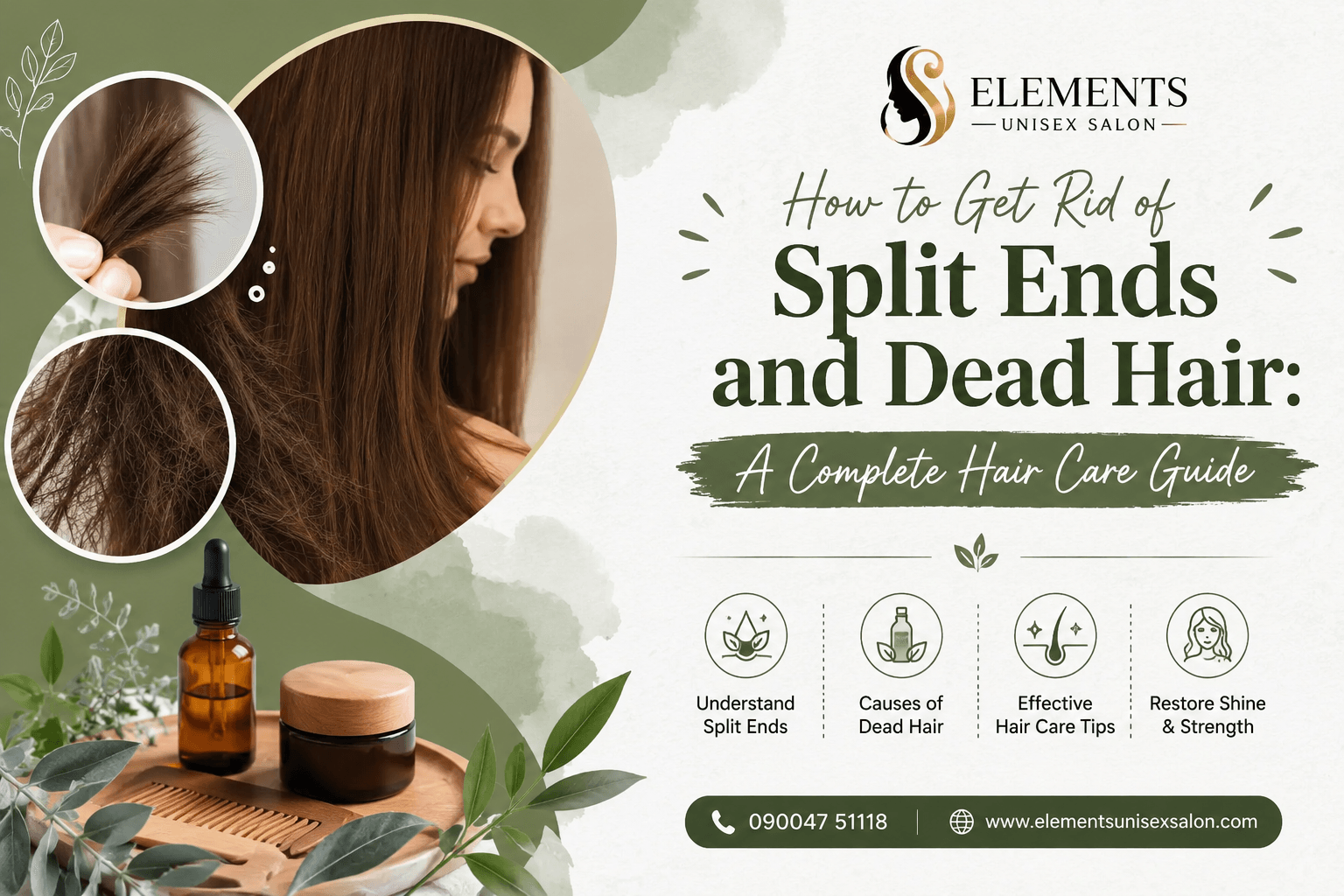
If your hair looks dry, rough, brittle, or frayed at the ends, you may be wondering how to remove dead hair and split ends. The most effective way to get rid of visible split ends is to trim the damaged portion. Once a hair shaft has split, hair products can improve its appearance and feel, but they cannot permanently restore the damaged strand.
The good news is that you can reduce the chances of developing new split ends by taking better care of your hair. Conditioning regularly, limiting excessive heat, handling wet hair gently, and avoiding unnecessary chemical processing can all help reduce damage.
If your hair has significant dryness, breakage, frizz, or split ends, professional advice can also help you understand what your hair needs rather than choosing a hair treatment based only on appearance.
What Are Split Ends and Why Do They Happen?
Split ends occur when the protective outer layer of a hair strand becomes damaged and the end begins to separate or fray. They are particularly common toward the ends because these are the oldest and most exposed parts of the hair.
Several everyday habits can contribute to split ends hair, including:
• Frequent use of straighteners, curling irons, or high heat
• Excessive blow-drying
• Repeated hair coloring or chemical treatments
• Rough towel drying
• Aggressive brushing or detangling
• Friction from clothing, pillows, or accessories
• Insufficient conditioning
• Environmental exposure such as sun and dry air
Hair that is already dry or fragile may be more vulnerable to breakage and split ends. That’s why preventing additional damage is just as important as removing existing damaged ends.
Can You Actually Repair Split Ends?
No, a split hair shaft cannot be permanently repaired back into one intact strand.
Some conditioners, masks, serums, and other hair-care products can temporarily make damaged hair look smoother and feel softer by coating or conditioning the hair. However, they do not permanently reverse the physical splitting of the hair shaft.
The most reliable way to remove an existing split end is to trim the damaged section.
This distinction is important because products marketed as a permanent “split-end repair” solution can create unrealistic expectations. A good hair-care routine is still valuable because it can improve manageability and help prevent further damage.
How to Get Rid of Split Ends
If you’re wondering how to get rid of split ends, start with the following practical steps.
1. Trim the Damaged Ends
Trimming is the most direct solution for visible split ends. Removing the damaged section prevents the existing split from remaining at the end of the strand.
You don’t necessarily need to get a dramatic haircut. The amount that needs to be removed depends on the extent of the damage and your desired hairstyle.
If you’re unsure how much should be trimmed, a professional stylist can assess the ends and recommend an appropriate cut.
2. Condition Your Hair Regularly
The conditioner helps improve the feel and manageability of hair after washing. Focus on the lengths and ends, particularly if your scalp becomes oily but your ends tend to feel dry.
For particularly dry hair, you may also consider an appropriate hair mask or leave-in conditioner as part of your routine.
Remember that conditioning can help damaged hair feel smoother, but it does not permanently repair a split strand.
3. Reduce Excessive Heat Styling
Frequent exposure to high temperatures can contribute to dryness and hair damage.
If you regularly use:
• Hair straighteners
• Curling irons
• Hot brushes
• Blow dryers
try reducing the temperature and frequency where possible. When heat styling is necessary, use an appropriate heat-protective product and avoid repeatedly applying high heat to the same section of hair.
4. Be Gentle When Detangling
Wet hair can be more vulnerable to damage, so avoid aggressively brushing or pulling through tangles.
Instead, gently work through knots from the ends upward. A suitable wide-tooth comb can make detangling easier, particularly for longer or textured hair.
Avoid pulling on knots because repeated mechanical stress can contribute to breakage.
5. Avoid Unnecessary Chemical Processing
Frequent coloring, bleaching, straightening, or other chemical services can affect the condition of your hair.
This doesn’t mean you have to avoid every professional hair service. Instead, discuss your hair’s current condition with a stylist before undergoing another chemical treatment.
A professional can help you decide whether your hair is suitable for a particular service or whether it would benefit from a period of gentler care first.
What Is the Best Shampoo for Hair With Split Ends?
There is no shampoo that can permanently remove or repair split ends.
If you’re searching for the best shampoo for hair split ends, choose one that suits your hair type and works well with a conditioning routine. If your hair is dry or damaged, avoid assuming that a shampoo alone will solve the problem.
How you wash your hair can also matter. Shampoo should primarily be used to cleanse the scalp, while the lengths can generally be cleaned as the product is rinsed through the hair. Follow with conditioner on the lengths and ends.
Rather than choosing a product because it promises to “cure” split ends, look for a routine that keeps your hair clean, conditioned, manageable, and protected from unnecessary damage.
When Should You Consider a Split Ends Treatment at a Salon?
If your hair has extensive split ends, persistent dryness, excessive frizz, or frequent breakage, it may be worth speaking with a professional stylist.
A split ends treatment at a salon should not be viewed as one universal procedure. The right approach depends on the condition of your hair, your styling history, your desired result, and how much damage is present.
A stylist may recommend trimming, conditioning or another suitable hair service depending on your individual needs.
At Elements Unisex Salon, you can discuss your hair concerns with the salon team before deciding which service is appropriate for your hair. A professional assessment can help you avoid choosing a treatment simply because it is currently popular.
Can Hair Smoothing Help With Dry or Frizzy Hair?
Hair smoothing can be useful for people who want hair that looks smoother, more manageable, or less frizzy. However, hair smoothing should not be considered a permanent cure for split ends.
If your ends are already split, trimming remains the most reliable way to remove that damage. A smoothing service may address the appearance and manageability of the hair, depending on its condition and the specific service being performed.
Before choosing a hair smoothing treatment, especially if your hair has been colored, bleached, or chemically treated, discuss its current condition with a professional stylist.
This is also why a salon consultation can be valuable. The best treatment for one person’s hair may not be appropriate for someone else’s.
Can Split Ends Grow Back Together?
No. Once a hair strand has physically split, the two sections cannot permanently grow back together.
You may notice products making the ends look temporarily smoother, but this is different from actually reversing the split. Trimming removes the damaged portion, while good hair-care habits help reduce the likelihood of additional splitting.
Can You Get Rid of Split Ends Without Cutting Your Hair?
You can make split ends look and feel better temporarily with conditioning products, masks, serums, and other hair-care products. However, these approaches do not permanently remove the split portion.
If your goal is to actually remove existing split ends, trimming the damaged ends is the most dependable option.
How Often Should You Trim Your Hair?
There is no single trimming schedule that works for everyone.
Your ideal frequency can depend on:
• Hair length
• Hair texture
• Heat-styling habits
• Chemical treatments
• Existing damage
• How quickly split ends become noticeable
• Your preferred hairstyle
Instead of following a rigid schedule, pay attention to your ends. If they frequently look frayed, dry, or uneven, it may be time to discuss a trim with your stylist.
How to Keep Your Hair Free From Split Ends
Learning how to remove dead hair and split ends starts with understanding what can and cannot be repaired. Existing split ends cannot be permanently restored with shampoo or conditioning products, so trimming the damaged ends is the most reliable solution.
After removing the damage, focus on prevention. Condition regularly, reduce excessive heat, detangle gently, protect your hair during styling, and avoid unnecessary chemical processing.
If you're dealing with persistent dryness, frizz, breakage, or split ends, a professional stylist can assess your hair and help you choose an appropriate approach. Elements Unisex Salon can help you explore suitable hair-care and salon treatment options based on your hair's condition and desired look.
Connect with us to discuss your hair-care needs and find the right salon service for you.
Good to Know
Frequently Asked Questions
Split ends cannot always be prevented completely, but you can reduce the risk by conditioning regularly, limiting excessive heat styling, handling your hair gently, and trimming damaged ends when needed.
No. Trimming split ends does not make hair grow faster. It removes damaged ends and can help your hair look healthier and more even as it continues to grow from the scalp.
Split ends usually indicate that the hair ends have experienced some form of damage, such as heat, chemical processing, friction, or dryness. They do not necessarily mean that the hair is unhealthy from the roots.
Hair masks can improve the softness, moisture, and appearance of dry or damaged hair, but they cannot permanently repair a split hair shaft. Trimming is still the most reliable way to remove existing split ends.
Consider consulting a professional if you have persistent split ends, excessive breakage, severe dryness, or difficulty managing your hair. A stylist can assess your hair and suggest an appropriate trim or salon treatment based on its condition.