Hair Colour Turned Orange or Brassy? Reasons, Fixes and How to Maintain Your Colour
Hair Care Treatment
October 27, 2026
admln
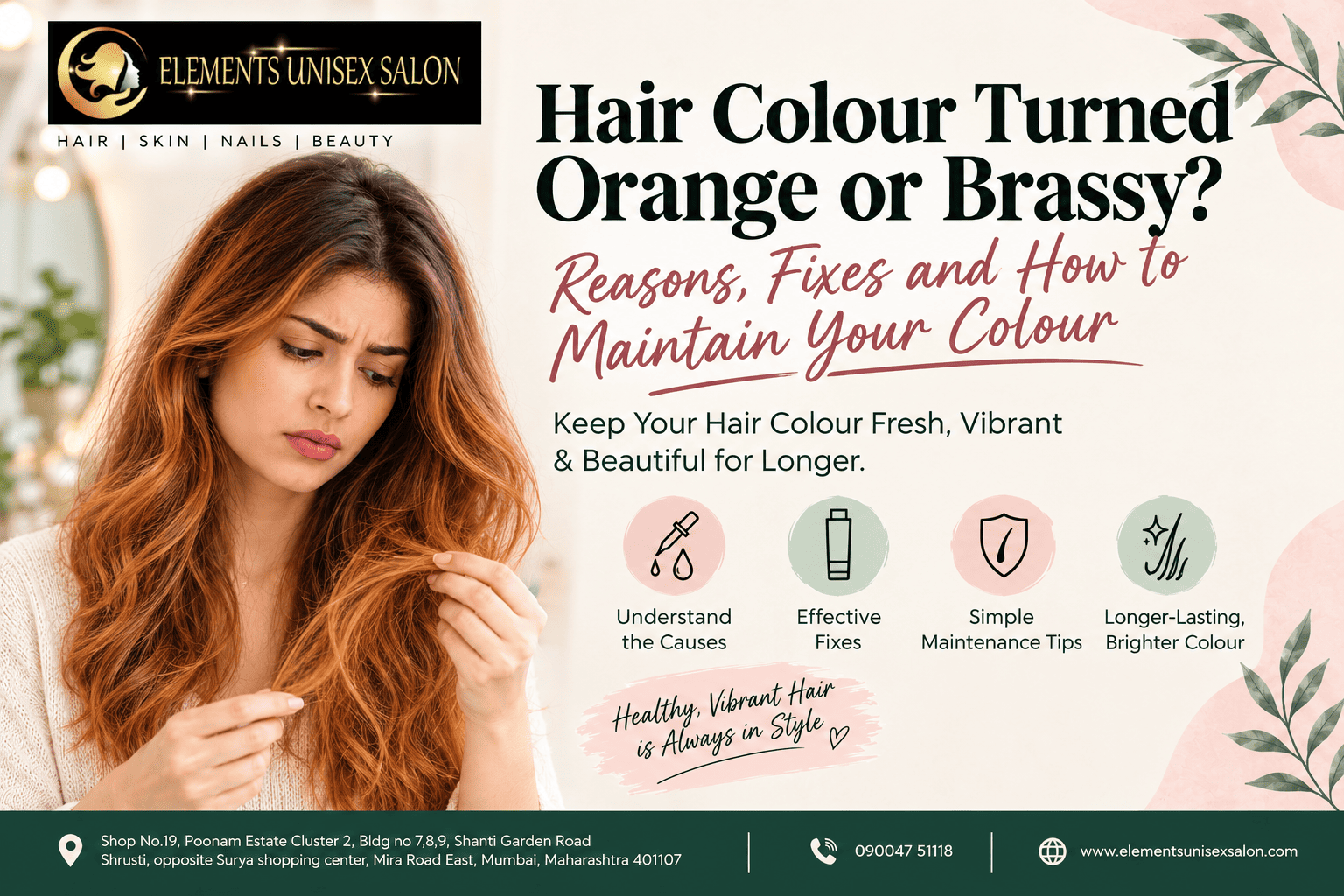
Have you coloured your hair a beautiful brown, blonde, caramel or ash shade, only to notice unwanted orange, copper or yellow tones after a few washes? You are not alone. Brassy hair is a common concern, especially after bleaching, highlighting or lightening naturally dark hair.
The good news is that the right haircare routine and suitable toning products can help manage unwanted warmth. However, the best solution depends on your original hair colour, the shade you want to achieve, your hair’s condition and the colouring process used.
In this guide, Elements Unisex Salon explains how to fix brassy hair, why your hair colour may have turned orange, and when professional hair colour correction can help restore a more balanced-looking shade.
What Is Brassy Hair?
Brassy hair refers to unwanted warm tones that become visible in coloured or lightened hair. These tones can appear orange, copper, reddish-orange or yellow, depending on your natural hair pigment and how much your hair has been lightened.
For example:
• Brown hair colour may develop copper or orange tones.
• Blonde hair may become yellow or golden.
• Ash-brown hair may lose its cool appearance and look warmer.
• Highlights may appear more yellow or orange than they did immediately after the salon visit.
Some warmth is natural and does not necessarily mean your colour has gone wrong. The concern arises when the result no longer matches your preferred shade.
If you are planning a colour change or want to understand your options, explore global hair colour services at Elements Unisex Salon.
Why Has Your Hair Colour Turned Orange?
Understanding the cause is the first step towards choosing the right fix. Applying a random toner or repeatedly colouring your hair without identifying the problem can lead to uneven results and unnecessary damage.
1. Your Natural Hair Pigment Is Showing Through
Naturally dark hair contains underlying warm pigments. When hair is lightened, these pigments become visible in stages. Dark hair often reveals red or orange undertones before reaching lighter yellow stages.
If the lightening process does not reach the level needed for your desired shade, your hair may look orange or copper instead of beige, ash or cool blonde.
2. Your Colour Has Faded After Several Washes
Hair colour gradually fades with washing, heat styling, sunlight and everyday exposure. As the artificial colour loses intensity, the warm undertones underneath can become more noticeable.
This is one reason a freshly coloured shade may look cooler at first but warmer a few weeks later.
3. The Original Colour Was Not Lightened Enough
Some shades, particularly cool blondes, ash browns and certain beige colours, require a specific level of lightening. If the hair remains too dark or warm for the intended result, applying a cool shade on top may not produce the desired finish.
A stylist can assess whether your hair needs toning, a colour adjustment or a carefully planned lightening service.
4. You Are Using Products That Fade Colour Quickly
Frequent washing, harsh cleansing products and unsuitable haircare routines can contribute to faster colour fading. Hot water and excessive heat styling may also affect how long your colour looks fresh.
Using products designed for coloured hair and following a suitable maintenance routine can help preserve the appearance of your shade.
5. Hard Water, Sun Exposure and Heat Styling May Contribute
Mineral deposits from water, environmental exposure and repeated heat styling can affect the look and feel of coloured hair. These factors may contribute to dullness, uneven-looking colour or increased dryness, although they are not always the main cause of brassiness.
If your hair also feels rough, tangled or dry, consider a suitable haircare routine and learn more about the benefits of a professional hair spa.
How to Fix Brassy Hair at Home
The right approach depends on whether your hair looks orange, yellow or generally warm. Start with gentle maintenance rather than immediately applying another permanent colour.
1. Choose a Suitable Toning Shampoo
Different toning products are designed for different unwanted tones.
• Blue shampoo: Often used to help neutralise orange tones in suitable brown or dark-blonde hair.
• Purple shampoo: Commonly used to help neutralise yellow tones in blonde, grey or highlighted hair.
Blue and purple products are not interchangeable in every situation. Choose one based on your current shade and the unwanted tone you are trying to reduce. Follow the product instructions, as leaving a toning shampoo on for too long may cause an uneven or overly cool result on some hair.
Toning shampoo can help manage brassiness, but it cannot reliably lighten hair or correct every uneven colour result.
2. Use Shampoo and Conditioner for Coloured Hair
A colour-safe shampoo and conditioner can help keep your hair feeling smoother while supporting colour maintenance. Wash as often as your scalp and hair require, rather than repeatedly shampooing in an attempt to remove unwanted tones.
Use lukewarm water where practical, condition the lengths and ends, and avoid aggressive scrubbing of fragile or lightened hair.
3. Reduce Excessive Heat Styling
Frequent use of straighteners, curling irons and high-heat blow-drying can worsen dryness and breakage. Use a heat protectant and choose a moderate temperature suitable for your hair’s condition.
If your hair is already bleached or chemically treated, allow it time to recover between major colour services.
4. Avoid Recolouring Your Hair Too Quickly
Applying another box dye or bleaching your hair again may seem like a quick fix, but it can create patchy colour, excessive warmth or further damage. The result is especially unpredictable if your hair has multiple shades, previous colour layers or uneven lightening.
If the orange tone is strong, patchy or resistant to toning products, a professional assessment is usually the safer next step.
How to Remove Orange Tones from Hair Professionally
When home care is not enough, professional colour correction may be the most suitable option. A stylist can examine your existing colour, natural undertones, previous chemical treatments and hair condition before recommending a solution.
1. Professional Hair Toner
A suitable toner can help balance unwanted warmth and create a more refined-looking shade. The correct formula depends on your hair’s current level and the result you want.
For example, a toner may help reduce excessive orange or yellow tones, but it cannot make hair lighter than its existing level. The stylist must choose a suitable shade rather than simply applying an ash colour to every brassy result.
2. Hair Colour Correction
Hair colour correction in Mira Road may be appropriate if your colour looks patchy, too warm, too dark or noticeably different from your intended result.
Depending on the condition of your hair, the professional may recommend toning, adjusting the colour formula, adding highlights or planning a gradual correction over multiple appointments. Significant corrections may require more than one session.
At Elements Unisex Salon, the goal should be to assess your current hair first and discuss realistic results, maintenance and the condition of your hair before proceeding.
3. Refreshing Your Highlights
If your highlights have developed unwanted orange or yellow tones, a targeted toning service or carefully planned highlight refresh may help improve the overall appearance.
You can explore hair highlights in Mira Road to learn more about highlighting options. The best approach depends on whether your existing highlights need toning, additional lightening or simply better maintenance.
4. Choosing Balayage for a Softer Colour Effect
Balayage creates a blended, graduated colour effect that can offer a softer-looking transition between your natural roots and lighter lengths. However, balayage is not automatically brass-free; its final appearance still depends on the lightening process, toner and aftercare.
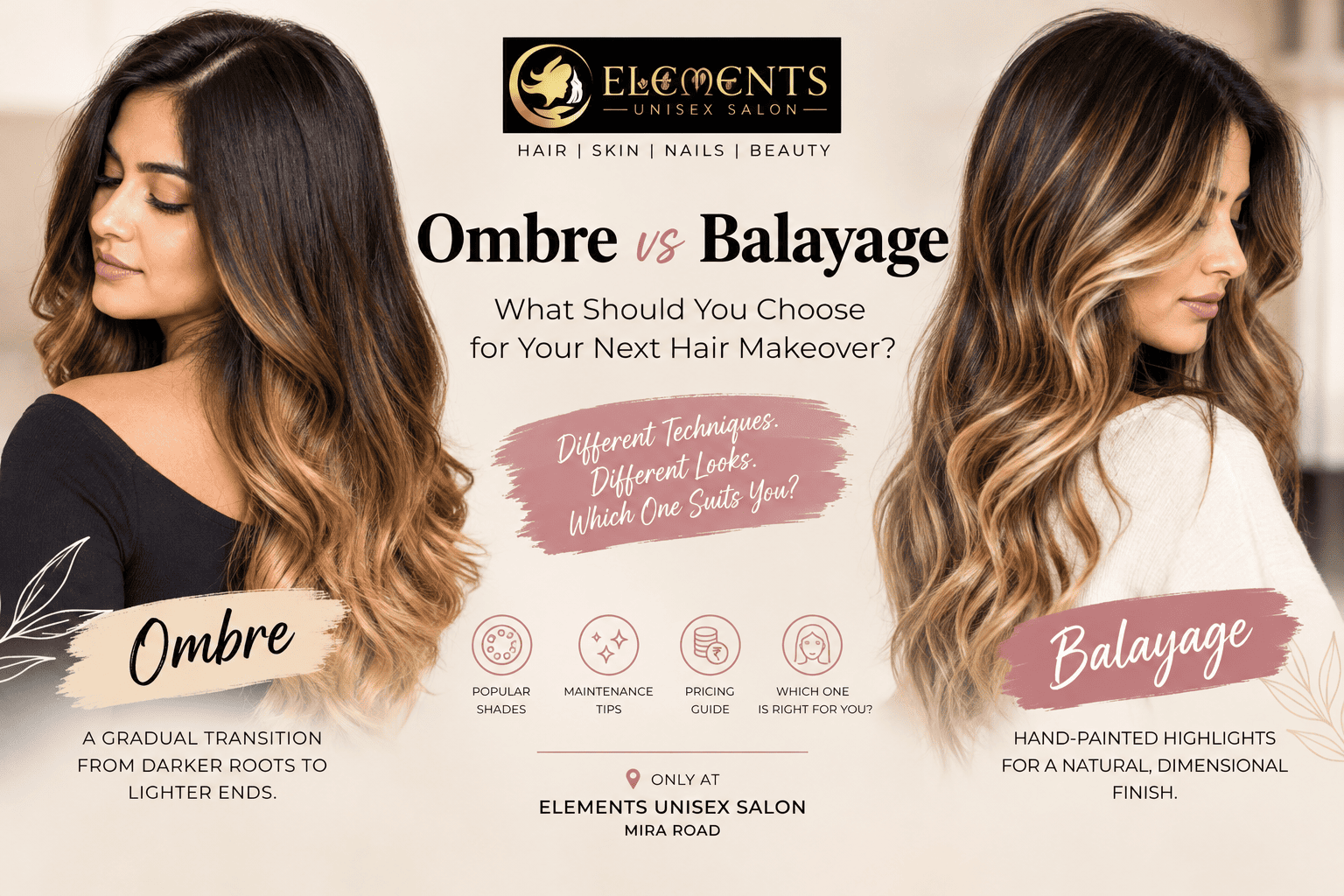
If you are considering a different colour technique, explore balayage hair colour in Mira Road. You can also compare ombre hair colour if you prefer a more noticeable transition from darker roots to lighter ends.
Which Toning Product Is Right for Your Hair?
| Your hair concern | Common approach |
| Orange or copper tones in suitable brown hair | A blue toning product may help |
| Yellow tones in blonde or highlighted hair | A purple toning product may help |
| Uneven orange patches after bleaching | Professional assessment and possible colour correction |
| Hair that looks dull as colour fades | Colour-safe care and a suitable colour refresh |
| Dry, fragile hair after lightening | Gentle care and assessment before further chemical processing |
Remember that toning products work differently depending on your hair’s existing colour and porosity. If you are unsure which product to use, ask a professional before experimenting.
How to Maintain Your Hair Colour and Prevent Brassiness
Once you have achieved a shade you like, consistent aftercare can help it look fresh for longer.
Follow a Colour-Safe Haircare Routine
Use shampoo and conditioner suitable for coloured hair. Avoid switching between multiple strong toning products without a clear reason, as excessive use may leave some hair looking dull or uneven.
Use Toning Products Only When Needed
Purple and blue shampoos are maintenance products, not a replacement for every salon toner. Follow the recommended frequency and monitor how your hair responds.
Protect Your Hair from Heat
Use a heat protectant before styling and limit unnecessary high-temperature styling. This is particularly important for bleached, highlighted or previously chemically treated hair.
Schedule Colour Maintenance at the Right Time
Your maintenance schedule depends on the shade, colour technique, hair growth and how quickly your colour fades. Ask your stylist when a toner refresh or colour appointment is appropriate rather than following a fixed schedule that may not suit your hair.
Avoid DIY Bleaching Between Appointments
Repeated bleaching can increase the risk of dryness, breakage and uneven colour. If you want a noticeably lighter result, discuss the safest approach with a professional.
When Should You Visit a Salon for Brassy Hair Treatment?
Consider a professional consultation if:
• Your hair colour has turned noticeably orange after bleaching or colouring.
• Blue or purple shampoo has not improved the unwanted tones.
• Your hair has orange patches alongside yellow or very light sections.
• You want to change a warm shade into a cooler ash, beige or neutral colour.
• Your hair feels unusually brittle, stretches when wet or breaks easily.
• You are unsure whether your hair can safely tolerate another colour service.
If your hair is severely damaged, further lightening may need to be postponed. A salon professional can discuss suitable options based on your hair’s condition, but persistent scalp irritation, unusual shedding or significant hair loss should be assessed by a healthcare professional.
Get Professional Hair Colour Advice at Elements Unisex Salon
If your hair colour turned orange and you are unsure how to restore your preferred shade, the first step is understanding why the warmth has appeared. The right solution may be as simple as adjusting your toning routine, or it may require a professional colour correction.
At Elements Unisex Salon in Mira Road, you can discuss your current shade, desired result and haircare routine before deciding on your next colour service.
Final Words
Brassy hair does not always mean your hair colour has failed. Unwanted orange or yellow tones can develop as colour fades or when underlying pigments become visible after lightening. Identifying the cause helps you choose between at-home toning, a colour refresh and professional correction.
Avoid rushing into another bleaching or colouring session, especially if your hair feels dry or fragile. With the right products, professional guidance and consistent aftercare, you can maintain a colour that looks closer to your preferred shade.
Elements Unisex Salon is the best hair salon for all your beauty needs. We offer a wide range of services, from hair to nails to facials, and more, Best Hair Salon in Mira Road.
Good to Know
Frequently Asked Questions
Start by identifying whether the unwanted tone is orange or yellow. A suitable blue toning shampoo may help with orange tones, while purple shampoo is generally used for yellow tones. Follow the product instructions and avoid repeated bleaching or recolouring without professional advice.
As artificial colour fades, the warm underlying pigments in your hair may become more visible. Washing habits, sunlight, heat styling and the original lightening process can also influence how your colour looks over time.
Depending on your current shade, a suitable toner or blue toning product may help neutralise some orange tones without further bleaching. However, toning does not lighten the hair, and the result depends on the depth and condition of your existing colour.
Not always. Blue shampoo is commonly used for orange tones, while purple shampoo is generally used for yellow tones. Choose according to your hair colour and the specific unwanted tone rather than using both automatically.
Sometimes, but not always. Mild brassiness may be improved with a toner or colour adjustment. Uneven colour, substantial lightening requirements or damaged hair may need a staged correction plan.